
Insights & Updates
CNC Machining Insights & Technical Blog
Explore expert guides, engineering innovations, and industry developments from Nanjing Fortis Storage Equipment Manufacturing Co., Ltd.
Blog
Why Choose a Dual Spindle CNC Machine?
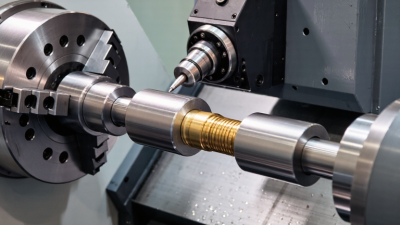
A Dual spindle CNC machine can complete two machining operations in one setup, reducing the need to move a part between separate stations. For manufacturers, that can mean shorter cycle times, fewer handling steps, and more consistent alignment. Picture a metal bar held between two spindles: one side can be turned, then the other can be finished with less manual repositioning. Small details matter. Tool access, spindle synchronization, and workpiece support all affect the result.
The benefits depend on the job. Parts with operations on both ends may gain the most, while simple components might not justify the added equipment cost. Production teams should compare cycle-time estimates with tooling, maintenance, and operator-training needs. Ask suppliers for demonstrations using representative materials and part geometries, and verify that the machine’s specifications match the required tolerances. A published spindle speed alone tells little about real output.
There are trade-offs. More capability can mean more setup choices, and a poorly planned process may shift delays rather than remove them. That is easy to overlook. Review chip evacuation, access for tool changes, and how the machine handles production interruptions. Actual performance varies by material, tooling, and operator experience, so trial runs are useful before committing to a process change. The right machine is not always the most complex one. It is the one that fits the parts, volume, and quality targets the shop can reliably maintain.
Read more »
 By:Ethan
- September 24, 2026
By:Ethan
- September 24, 2026
China Top 10 Heavy Duty Horizontal Machining Center Brands?
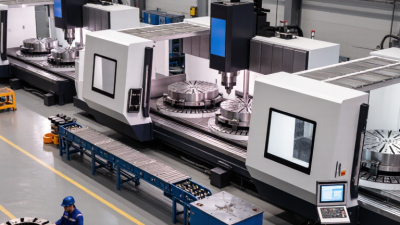
China’s heavy machining sector has grown rapidly, supported by strong manufacturing networks and increasingly capable machine tool builders. This article examines China’s top 10 Heavy-duty horizontal machining center brands through practical industrial criteria, not marketing claims alone.
The evaluation considers spindle torque, table size, pallet capacity, guideway rigidity, thermal compensation, and machining accuracy. It also reviews control systems, automation options, energy use, maintenance access, and long-term parts availability. These details matter on factory floors, where a machine may remove several kilograms of steel during one shift. A rigid structure can reduce vibration when cutting cast iron or large alloy components. Reliable chip evacuation also prevents avoidable downtime.
Real-world suitability differs between brands and applications. A model designed for engine blocks may not suit railway frames or heavy hydraulic housings. Buyers should compare verified specifications, sample machining results, installation records, and after-sales response. Independent testing is valuable. However, published data can vary by configuration, tooling, and operating conditions. Some conclusions may require further checking with users and distributors. That uncertainty deserves attention.
This guide therefore presents a balanced reference for procurement managers, engineers, and international buyers. It highlights established strengths while acknowledging potential limitations. The ranking is not absolute. Factory layout, budget, material, tolerance requirements, and service coverage can change the final decision. Readers should treat the list as a starting point for technical discussions, supplier audits, and controlled trial cuts before making a major investment.
Read more »
By:Ethan
- September 19, 2026
2026 Best Integrated Facing Head CNC Machine for Global Buyers?
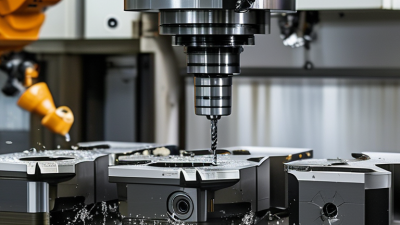
In the evolving world of machining, the Integrated facing head CNC machine stands out as a game-changer. For global buyers, selecting the right equipment is crucial. These machines enhance precision and efficiency while reducing production costs. They integrate various functions, making them versatile tools in any workshop.
Manufacturers must consider factors like reliability and performance. The latest models offer advanced features tailored to meet diverse needs. However, buyers should remain vigilant about quality and service support. The choices can be overwhelming, which may lead to mistakes. Reflecting on the specific requirements before making a decision is essential.
As we explore the best integrated facing head CNC machines for 2026, it's vital to highlight trustworthy brands and innovations. Each option has unique advantages and challenges. Understanding them will guide buyers toward informed choices. Ultimately, the right machine can significantly impact productivity and business success.
Read more »
 By:Emily
- August 6, 2026
By:Emily
- August 6, 2026
What is a Contour Head Turning Machine and How Does It Work?
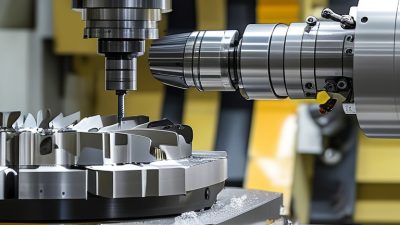
The Contour head turning machine is an innovative piece of equipment designed for precision machining. This type of machine specializes in creating complex, curved shapes, essential in various industries, including aerospace and automotive. The technology behind this machine revolutionizes how manufacturers approach part design.
Understanding how a Contour head turning machine operates is crucial for those in the manufacturing sector. This machine uses advanced CNC technology to ensure that each curve is meticulously crafted. With its ability to perform multiple operations in one cycle, efficiency is markedly increased. However, users must navigate a learning curve to master its functionality.
Despite its advantages, challenges do arise. Operators must remain vigilant during setup and calibration. Misalignment can lead to costly errors. Continuous training is necessary to maintain high standards. Ultimately, the Contour head turning machine represents a leap forward in machining technology, but it also demands a commitment to ongoing learning and improvement.
Read more »
By:Ethan
- August 6, 2026
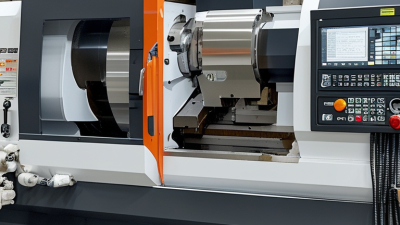
How to Choose a Horizontal U-axis Machining Center for Your Needs?
Choosing the right Horizontal U-axis machining center can seem overwhelming. There are many factors to consider. This decision can impact your production efficiency and overall quality.
When selecting a Horizontal U-axis machining center, start by assessing your specific needs. Consider the types of materials you will be working with. Think about the complexity of the parts you need to create. These details matter significantly.
Additionally, evaluating the machine's capabilities is crucial. Look at features like precision, speed, and ease of use. A machine that seems perfect on paper may not meet real-world requirements. Take time to review customer feedback and expert opinions. Making the right choice here can lead to improved workflows and better profit margins.
Read more »
 By:Charlotte
- August 6, 2026
By:Charlotte
- August 6, 2026