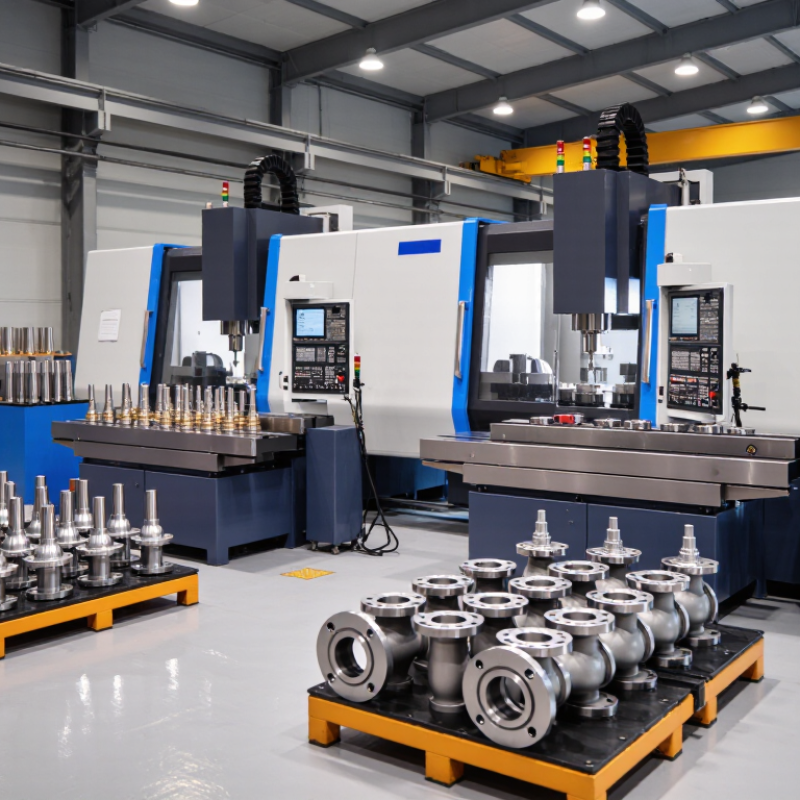
Choosing a reliable CNC machining for valves supplier is a technical decision, not a simple price comparison. Valve bodies, stems, seats, and covers must perform under pressure, heat, corrosion, and repeated cycling. A small dimensional error can create leakage, installation delays, or costly field repairs.
Dr. W. Edwards Deming, a respected authority on manufacturing quality, said, “Quality comes not from inspection, but from improvement of the production process.” This principle guides our selection of the Top 10 CNC Machining Valve Suppliers for Global Buyers. The companies considered here are evaluated through practical factors, including machining accuracy, material knowledge, process control, inspection equipment, delivery performance, and documentation quality.
Details matter.
A capable supplier should understand stainless steel, duplex alloys, carbon steel, brass, and other valve-grade materials. It should also manage tight tolerances across complex internal passages and threaded connections. Buyers should look for coordinate measuring machines, documented inspection plans, traceability records, and pressure-testing support. Certifications can help, but they do not replace consistent workmanship.
No ranking is perfect. Supplier performance may vary by project size, region, drawing complexity, and communication quality. Some manufacturers show impressive equipment but provide weak technical feedback. Others have modest facilities yet deliver dependable components. That difference deserves attention.
This guide offers a practical starting point. It helps global buyers compare capability, reliability, responsiveness, and long-term value before requesting quotations or approving production samples.
CNC Machined Valve Market Scope and Global Buyer Demand
CNC Machined Valve Market Scope and Global Buyer Demand
The global CNC machined valve market is expanding across water treatment, energy, chemical processing, food equipment, and industrial automation. Buyers increasingly want compact valves with accurate threads, smooth sealing surfaces, and repeatable pressure performance. Demand is not limited to standard parts. Custom bodies, corrosion-resistant alloys, miniature designs, and low-volume production are gaining attention.
A practical Top 10 supplier review should compare capabilities, not marketing language. Experienced suppliers usually show machining tolerances, inspection methods, material certificates, pressure-test records, and sample approval procedures. Global buyers also examine communication speed, packaging quality, export experience, and realistic lead times. A supplier may offer excellent machining but weak documentation. That gap can delay installation. It deserves attention.
Tips: Request a dimensional report and pressure-test evidence before bulk production. Confirm thread standards, seal materials, surface finish, and operating temperature in writing. Ask how rejected parts are controlled. Keep a pilot order small. It reveals more than a polished catalogue. I would also compare three quotations using the same drawing and tolerance notes. The lowest price can hide inspection limits or unstable process control. Do not assume every “precision” claim means the same thing. Sometimes, the specification is simply unclear.
Top 10 CNC Machining Valve Suppliers for Global Buyers
CNC-Machined Valve Market Scope and Global Buyer Demand
The chart presents a normalized global buyer-demand index for major CNC-machined valve requirements.
A score of 100 represents the strongest purchasing priority. Precision, pressure integrity,
material traceability, and customization are consistently important requirements in industrial,
oil and gas, chemical-processing, water-treatment, and energy procurement.
Supplier Selection Criteria: ISO 9001, CNC Tolerances, and Capacity
Choosing among the top 10 CNC machining valve suppliers requires more than comparing prices. ISO 9001 certification shows a documented quality system, not automatic perfection. Ask for the certificate, issuing body, validity date, and certified production scope. The scope should cover valve components or precision machining, not unrelated services. Request recent inspection records and corrective-action examples. Real experience matters here.
CNC tolerance claims need practical evidence. A supplier may advertise ±0.01 mm, but material, geometry, and batch size affect results. Ask for drawings marked with achievable tolerances. Review CMM reports, gauge calibration records, and first-article inspection procedures. Check sealing surfaces, threaded ports, and concentric bores carefully. Small errors can cause leakage or difficult assembly.
“Measure the critical features.”
That habit prevents expensive surprises.
Capacity should match your purchasing rhythm, not only your target quantity. Confirm machine types, working envelopes, available shifts, and monthly output for similar parts. Ask how the supplier handles peak demand, tool wear, and rejected batches. A site visit can reveal queue length, raw material storage, and inspection flow. Still, capacity statements may be optimistic. I would request a pilot batch before approving full production. This step can expose unclear tolerances, slow communication, or packaging weaknesses. A supplier with excellent equipment may still struggle with schedule discipline. Choose evidence over polished presentations.
ASME B16.34 Pressure Classes and Materials Used by Valve Suppliers
For global buyers, ASME B16.34 is a practical screening tool for valve suppliers. It defines pressure-temperature ratings, dimensions, materials, and testing requirements. Common pressure classes include 150, 300, 600, 900, 1500, and 2500. Class 600 is not simply twice as strong as Class 300. Rating depends on temperature and material.
Carbon steel suits many steam, water, and hydrocarbon services. Austenitic stainless steel performs better against corrosion. Duplex grades can improve resistance in chloride-rich environments. Alloy steels remain useful in high-temperature applications.
Material certificates should identify chemical composition, heat treatment, and mechanical results. The ASME B16.34 framework supports traceability, but it does not replace project-specific engineering review.
A 2024 industrial valves market report projects continued growth, driven by energy, water, and process industries (MarketsandMarkets, 2024). That growth increases pressure on suppliers to document quality, not merely quote low prices. In practice, buyers should compare pressure-temperature tables beside test records. A valve marked Class 300 may lose allowable pressure at elevated temperature. This detail is easy to miss. I have also seen specifications copy old material grades without checking current service conditions. That shortcut deserves more skepticism. Supplier audits, third-party inspection, and hydrostatic test evidence can expose gaps before shipment.
Top 10 CNC Machining Valve Suppliers by Quality, Price, and Reach
Selecting the top 10 CNC machining valve suppliers requires more than comparing catalog prices. MarketsandMarkets reports that the industrial valves market may grow from about USD 78 billion in 2024 to over USD 98 billion by 2029. That growth raises pressure on capacity, traceability, and delivery reliability.
Quality should begin with measurable controls.
Strong suppliers provide material certificates, dimensional inspection records, pressure-test results, and process traceability. CNC tolerances should match the valve design, not merely advertise impressive numbers. Suppliers with ISO 9001 systems often offer better documentation, but certification alone proves little. Ask for sample inspection reports and failure data.
Price also needs a wider lens. A cheaper valve may require extra machining, retesting, or costly returns. The World Bank’s 2023 Logistics Performance Index shows clear differences in customs and delivery performance across manufacturing regions. This makes regional stock, export experience, and responsive engineering support important ranking factors. The best ten candidates should combine stable quality, transparent quotations, realistic lead times, and multi-region shipping capability. Reach matters.
In practice, my supplier reviews often expose an uncomfortable gap: some factories promise tight tolerances before reviewing drawings. That is a warning sign. No scorecard is perfect. Buyers should still audit production capacity, inspect surface finish, and test pilot batches before approving volume orders.
API 598 Testing, ISO 5211 Compatibility, and Buyer Due Diligence
Top 10 CNC Machining Valve Suppliers for Global Buyers
API 598 testing should be a purchasing requirement, not a final brochure claim.
The standard covers shell, seat, and backseat examinations for applicable valves. Buyers should request test records, pressure values, test duration, and calibrated gauge details. A dry report is not enough. During supplier audits, inspect machining marks around seats, threads, and flange faces. Small tool scratches can become leakage paths after repeated cycling.
ISO 5211 compatibility also needs physical verification.
Confirm flange dimensions, drive-square size, stem height, and torque capacity against the actuator plan. Do not rely only on a product code. The Industrial Valve Market report by Grand View Research estimated the global market at about USD 78.5 billion in 2023. Its projected growth increases sourcing pressure, but market growth does not guarantee manufacturing discipline. Samples matter more than polished websites.
Buyer due diligence should include material certificates, CNC inspection records, traceability, and nonconformance history. Check whether the supplier controls heat treatment and final assembly internally. Ask for dimensional reports from a coordinate measuring machine. One overlooked tolerance can delay installation.
I would also compare three production batches, not one ideal sample.
That is slower. It is safer.
Reports from the International Trade Centre can help verify export patterns, but trade data cannot prove valve quality. Supplier references should include project size, service medium, failure rates, and response times. A certificate can be genuine and still incomplete.
FAQS
What does a pressure class indicate for an industrial valve?
It shows allowable pressure at specific temperatures and materials. Class 600 is not simply twice Class 300.
Which materials suit different valve services?
Carbon steel suits steam, water, and many hydrocarbons. Stainless steel handles corrosion better. Duplex grades help in chloride-rich environments.
Can a Class 300 valve handle high temperatures?
Not automatically. Allowable pressure may decrease as temperature rises. Always check the pressure-temperature table.
What documents should a valve supplier provide?
Request material certificates, chemical composition, heat-treatment records, mechanical results, and dimensional inspection reports.
What should pressure-test records include?
They should show shell, seat, and backseat tests, pressure values, test duration, and calibrated gauge details.
How can buyers verify actuator compatibility?
Check flange dimensions, drive-square size, stem height, and torque capacity. Do not trust a product code alone.
Why should buyers inspect CNC machining quality?
Tool scratches near seats, threads, or flange faces can create leakage paths. Surface finish deserves close inspection.
Is certification enough to approve a supplier?
No. A certificate can be genuine and incomplete. Review samples, traceability, failure records, and production capacity.
How should buyers compare valve prices?
Include machining, retesting, returns, shipping, and delays. A cheaper valve may become expensive later.
What is a practical supplier approval process?
Compare three production batches, audit the factory, inspect pilot samples, and verify test records. My method is not perfect.
Conclusion
This guide examines the global market for CNC machined valves and the factors influencing buyer demand across industrial, energy, water, and process-control applications. It explains how buyers can evaluate suppliers through ISO 9001 certification, documented CNC tolerances, production capacity, quality-control systems, lead times, and export support. The discussion also covers common materials, including stainless steel, carbon steel, alloy steel, and corrosion-resistant options, along with ASME B16.34 pressure classes and their relevance to safe valve selection.
The overview compares ten supplier types according to manufacturing quality, pricing, customization ability, and international reach, without promoting specific brands. It also highlights the importance of API 598 pressure and leakage testing, ISO 5211 actuator compatibility, traceable inspection records, technical drawings, and clear acceptance criteria. For reliable sourcing, global buyers should verify certifications, material documentation, sample performance, communication standards, and after-sales support before placing an order for CNC machining for valves.
Emily is a dedicated marketing professional with a deep understanding of the company's offerings and a passion for communicating their value to a broader audience. With extensive experience in digital marketing strategies, she excels at crafting engaging and informative content that highlights the......