
Learn how Trevisan's Horizontal Machining Centers minimize set-up time and labor costs →
0%

The Contour head turning machine is an innovative piece of equipment designed for precision machining. This type of machine specializes in creating complex, curved shapes, essential in various industries, including aerospace and automotive. The technology behind this machine revolutionizes how manufacturers approach part design.

Understanding how a Contour head turning machine operates is crucial for those in the manufacturing sector. This machine uses advanced CNC technology to ensure that each curve is meticulously crafted. With its ability to perform multiple operations in one cycle, efficiency is markedly increased. However, users must navigate a learning curve to master its functionality.

Despite its advantages, challenges do arise. Operators must remain vigilant during setup and calibration. Misalignment can lead to costly errors. Continuous training is necessary to maintain high standards. Ultimately, the Contour head turning machine represents a leap forward in machining technology, but it also demands a commitment to ongoing learning and improvement.
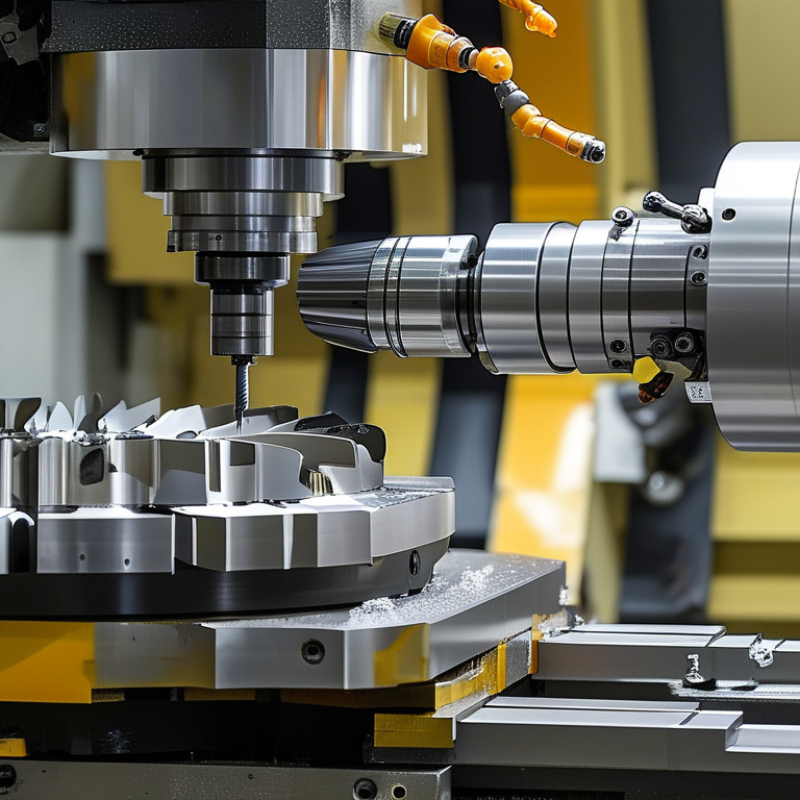
What is a Contour Head Turning Machine and How Does It Work?

What is a Contour Head Turning Machine? An Overview

A contour head turning machine is a specialized tool used in various manufacturing sectors. This machine shapes and turns materials, particularly metals, into contoured designs. It is essential in creating precise and complex components used in industries like aerospace and automotive. The machine offers unique advantages by allowing for intricate profiles that traditional turning methods may fail to achieve.

The operation of a contour head turning machine involves a rotating spindle and a cutting tool. The spindle spins the workpiece at high speeds while the tool moves along a guided path. This combination creates a finely contoured surface. Operators need to monitor the process closely to ensure precision. Any small error can lead to defects in the final product.

While these machines deliver exceptional results, they require regular maintenance. Users must be cautious with settings and adjustments. Sometimes, overlooked factors can negatively impact output quality. Technical training for operators is vital to avoid mistakes. The use of contour head turning machines showcases not just machinery, but also the skill involved in achieving design excellence.

What is a Contour Head Turning Machine and How Does It Work?

Feature Description Applications
Control System Utilizes CNC technology for precision and automation. Used in automotive and aerospace industries.
Machining Process Processes materials such as metal, plastic, and wood. Ideal for producing complex contours and shapes.
Size Capability Can accommodate parts with diameters ranging from 10mm to 500mm. Suitable for small to medium-sized components.
Advantages High precision, repeatability, and reduced waste during machining. Enhances production efficiency and quality.
Maintenance Requires regular servicing to ensure optimal performance. Important for prolonged machinery life and reliability.

Key Components of a Contour Head Turning Machine Explained

A Contour Head Turning Machine is a vital tool in the manufacturing sector. It specializes in creating precise contours for various components. This machinery plays a crucial role in sectors such as automotive and aerospace, where precision is non-negotiable. The machine typically has key components: the spindle, tool holder, and bed. The spindle rotates at high speeds, enabling efficient shaping. The tool holder secures cutting tools, allowing for different machining operations.

Data from the Industry Manufacturing Association indicates that the market for contour turning machines is projected to grow by over 5% annually. This increase underlines the technology's importance in enhancing productivity and precision across industries.

**Tip:** Regular maintenance of the spindle can significantly extend machine life. Always check for wear and tear.

Another essential component is the bed. It serves as a stable foundation, ensuring that the workpiece remains secure during operation. A well-aligned bed can reduce errors. Even slight misalignments can lead to costly mistakes.

**Tip:** Ensure that all components are calibrated periodically. This practice maintains optimal performance and reduces downtime.

Understanding these components is crucial for operators and engineers alike. Knowledge of how they interact can lead to more efficient workflows and better product quality. It’s worth reflecting on the learning curve that comes with mastering such machinery.

How Contour Head Turning Machines Enhance Precision in Manufacturing

Contour head turning machines play a crucial role in modern manufacturing. They enhance precision by focusing on the specific shape of workpieces. This is particularly beneficial in industries requiring tight tolerances. The machine uses a specialized head that contours the piece, ensuring it fits the desired specifications.

The intricate design allows for flexibility in production. Many manufacturers find that these machines reduce waste significantly. However, achieving perfect precision can be challenging. Operators must be skilled in adjusting settings for different materials and shapes. This process often requires trial and error, which can lead to occasional setbacks.

Despite these challenges, the advantages are clear. Enhanced precision results in higher quality products. Consistency is vital in industries such as aerospace and automotive. As technology advances, the capabilities of contour head turning machines continue to improve, allowing for even greater accuracy and efficiency. This evolution is essential, as manufacturers strive to stay competitive in a fast-paced market.

Industry Applications: Where Contour Head Turning Machines are Used

Contour head turning machines play a crucial role in several industries, particularly in aerospace and automotive sectors. According to a report by the International Journal of Advanced Manufacturing Technology, over 30% of precision machining tasks rely on such devices. These machines excel in creating complex geometries for parts that demand high accuracy. They enable manufacturers to produce components with tighter tolerances, enhancing overall product quality.


In the automotive sector, contour head turning machines streamline the production of engine components. They reduce machining time significantly while maintaining precision. Data from the Society of Manufacturing Engineers indicates that companies utilizing these machines have reduced production costs by about 25%. However, not all applications benefit equally. Manufacturers must assess whether the investment aligns with specific production needs.


Aerospace applications also benefit from contour head turning technology. The ability to handle unique materials, such as titanium and composite materials, makes these machines indispensable. A study by the Aerospace Industries Association notes that 40% of new aerospace designs utilize advanced turning methods. Quality control remains a challenge in this context, and not all processes achieve perfect results. Continuous upgrades and operator training are essential to minimize errors and maximize efficiency.

Performance Metrics: Efficiency and Accuracy in Contour Head Turning Machines

Contour head turning machines are becoming increasingly important in precision manufacturing. They excel in creating complex shapes with high efficiency. According to industry reports, these machines can achieve accuracy rates of up to 99.5%. This performance is crucial for sectors like aerospace and automotive, where precision directly affects safety and effectiveness.

Efficiency is another key metric. Many contour turning machines operate at speeds exceeding 1500 RPM, significantly reducing production time. However, the balance between speed and quality is delicate. In some cases, increasing speed can lead to surface finish issues. This trade-off requires careful consideration and ongoing refinement. Operators must often adjust settings to achieve optimal results.

Data indicates that machine downtime can impact overall productivity by as much as 30%. Regular maintenance and real-time monitoring can mitigate this risk. Yet, many facilities still struggle with unplanned outages. Emphasizing a proactive maintenance approach can enhance machine reliability. Tracking performance metrics consistently can reveal patterns and help in addressing potential issues before they escalate.

Efficiency and Accuracy of Contour Head Turning Machines

FAQS

: What is a Contour Head Turning Machine?

: It’s a tool used in manufacturing to create precise shapes for various components.

Why are precision and accuracy important in these machines?

High precision ensures safety and effectiveness, especially in automotive and aerospace industries.

What key components are involved in these machines?

The main components are the spindle, tool holder, and bed, each playing a vital role.

How does the spindle contribute to the machine's function?

The spindle rotates at high speeds, enabling efficient shaping of workpieces.

What challenges do operators face when using these machines?

Operators often encounter difficulties in adjusting settings, which may require trial and error.

How can maintenance improve the machine's lifespan?

Regular maintenance, especially of the spindle, can significantly extend the machine's life.

What impact does machine downtime have on production?

Unplanned downtimes can decrease productivity by up to 30%.

How can calibration affect machine performance?

Proper calibration of components maintains optimal performance and reduces errors.

What trade-offs must be considered when increasing machine speed?

Higher speeds can lead to surface finish issues; striking a balance is crucial.

What is the industry growth projection for contour turning machines?

The market is expected to grow by over 5% annually, highlighting its rising importance.

Conclusion

A contour head turning machine is a specialized tool used in the manufacturing industry for precision machining. This machine is designed to create complex shapes and contours in various materials, enhancing the accuracy and efficiency of production processes. Key components such as the cutting head, control systems, and stability features play a crucial role in its operation. By utilizing advanced technology, contour head turning machines significantly improve production precision, making them essential in industries such as aerospace, automotive, and tooling.

Their applications range from creating intricate parts to large-scale manufacturing, where tight tolerances are critical. Performance metrics of these machines, including efficiency and accuracy, reflect their critical role in meeting modern manufacturing demands. As industries continue to evolve, contour head turning machines remain at the forefront, driving innovation and productivity in precision engineering.

Ethan

Ethan

Ethan is a dedicated marketing professional with a profound understanding of our company’s core products and services. With years of experience in the industry, he has honed his skills in creating compelling content that resonates with our audience. As a key contributor to our professional blog,......