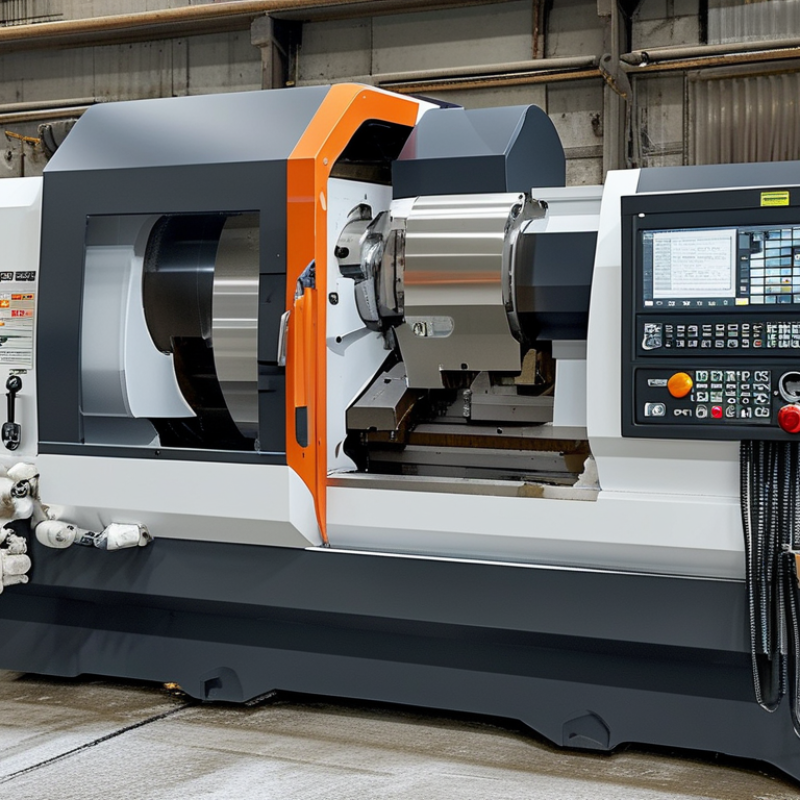
Choosing the right Horizontal U-axis machining center can seem overwhelming. There are many factors to consider. This decision can impact your production efficiency and overall quality.
When selecting a Horizontal U-axis machining center, start by assessing your specific needs. Consider the types of materials you will be working with. Think about the complexity of the parts you need to create. These details matter significantly.
Additionally, evaluating the machine's capabilities is crucial. Look at features like precision, speed, and ease of use. A machine that seems perfect on paper may not meet real-world requirements. Take time to review customer feedback and expert opinions. Making the right choice here can lead to improved workflows and better profit margins.
Understanding Horizontal U-axis Machining Centers: An Overview
Horizontal U-axis machining centers are pivotal in modern manufacturing. They offer specific advantages like enhanced precision and reduced cycle times. According to industry reports, facilities using U-axis machines can achieve up to 30% productivity increases compared to traditional vertical machining centers. This gain stems from their unique design, which allows for simultaneous machining of multiple sides.
Understanding their mechanics is essential. A U-axis machining center typically features an additional rotational axis, facilitating complex geometries. This capability permits operations that would require multiple setups in standard machines. Manufacturers must consider factors such as load capacity and spindle speed. Adjustments in these specifications can significantly affect machining quality and efficiency.
The learning curve for operators can be steep. Not all experiences with U-axis centers are smooth. Regular training is crucial to utilize these machines effectively. Many companies report initial struggles with programming and tool selection. These challenges can detract from potential productivity gains if not addressed. Continuous improvement and investment in operator education can help overcome these hurdles.
How to Choose a Horizontal U-axis Machining Center for Your Needs?
| Dimension |
Specification |
Importance |
| Table Size |
800 mm x 600 mm |
Critical for size of workpieces |
| Max Load Capacity |
1000 kg |
Affects the size and weight of materials |
| Spindle Speed |
10,000 RPM |
Impacts machining efficiency and surface finish |
| Tool Magazine Capacity |
30 tools |
Allows versatility in production |
| Accuracy |
±0.01 mm |
Essential for high-precision parts |
| Control Type |
CNC |
Allows automated and precise operations |
Key Features to Consider When Selecting a Machining Center
When selecting a horizontal U-axis machining center, consider various key features to align with your manufacturing needs. Precision is vital; machines offering less than ten microns accuracy can enhance production quality significantly. According to the "2023 Global Manufacturing Trends" report, investing in precision tools can reduce machining errors by up to 20%.
Another critical aspect is the machine's load capacity. Centers that support heavier workpieces can decrease the setup time, as they handle more substantial materials in a single setup. Data from industry surveys indicate that businesses prioritizing load capacity can improve overall efficiency by nearly 15%.
Tip: Evaluate tooling options available with the machining center. A diverse tooling inventory can speed up production and increase versatility.
Don't overlook software compatibility and automation features. Advanced software integration can simplify operations and improve data management. Studies suggest that automation in machining centers results in a 30% increase in productivity.
Tip: Request a demo to experience the interface firsthand. This ensures that operators can efficiently adapt to the new system.
Ultimately, each feature contributes to a machining center's performance. Choose wisely to enhance your operational effectiveness and meet future manufacturing challenges.
Assessing Your Production Needs and Application Requirements
Choosing a horizontal U-axis machining center involves careful assessment of production needs and application requirements. For effective decision-making, consider your specific operational goals. Are you focused on mass production or custom tasks? Data from the International Federation of Robotics (IFR) reveals that 75% of companies prioritize flexibility in their production setups. Understanding your unique processes will help you select machinery that fits seamlessly into your workflow.
When evaluating machine specifications, pay attention to rigidity and workpiece handling. A study by the American Society of Mechanical Engineers (ASME) indicated that structural integrity plays a crucial role in machining accuracy. If precision is vital, prioritize features that enhance stability under load. Additionally, consider the machine’s footprint and ease of integration into your existing operations.
**Tip:** Always assess the total cost of ownership, including maintenance and operational efficiency.
Focus on what your application needs. For example, heavy-duty machining may require specialized tooling. Explore various U-axis options available in the market, but recognize that not every model may meet your demands. Choosing the wrong machine can lead to production bottlenecks and increased costs.
**Tip:** Engage with industry experts to gather insights on the latest trends and technologies in machining centers.
Budgeting for Your Horizontal U-axis Machining Center Purchase
When budgeting for a horizontal U-axis machining center, it's vital to understand the total cost of ownership. Many manufacturers overlook ongoing costs. A report from the Association for Manufacturing Technology highlights that operational expenses can represent up to 75% of the total lifecycle costs. This includes maintenance, tooling, and energy consumption. Understanding these factors allows a more accurate budget estimate.
The initial purchase price is just one piece of the puzzle. Advanced machining centers can range from $100,000 to over $500,000, depending on specifications. However, consider the hidden costs that often accumulate. Factors like possible downtimes and required training for staff should be part of your financial planning. A study from Market Research Future indicates that improper budgeting can lead to up to a 25% increase in overall project costs.
Moreover, it's essential to evaluate financing options. Many suppliers offer leasing or financing solutions, which can alleviate upfront costs. This approach allows you to allocate funds for necessary accessories or upgrades. Yet, balance is key; don't overextend your budget for features you may not utilize fully. It's crucial to reflect on your specific production needs and budget constraints to make a well-informed decision.
Budget Analysis for Horizontal U-axis Machining Center Purchase
Maintenance and Support Considerations for Long-term Use
Maintenance plays a crucial role in the longevity of a horizontal U-axis machining center. Regular check-ups can prevent unexpected downtimes. According to a report by the National Association of Manufacturers, regular maintenance can reduce equipment failure by up to 30%. This statistic underscores the significance of investing time and resources into systematic upkeep. Engaging with skilled technicians who understand the intricacies of your machine will ensure optimal performance. Moreover, documented maintenance schedules create a reference point for analyzing performance trends over time.
Support considerations are equally important. Not every machining center comes with a comprehensive support plan. Maintaining a good relationship with your supplier can ease issues down the line. Be prepared for recommendations on parts and repairs, as these insights may lead to unexpected findings. For instance, a study from the Association for Manufacturing Technology suggests that manufacturers should budget 15% of the initial cost of machinery annually for maintenance and support services. This investment creates a safety net, allowing for the swift resolution of potential problems.
Ultimately, a proactive approach to maintenance and support enhances efficiency. Each machine has a learning curve, which might lead to initial struggles in mastering operations. Regularly revisiting maintenance strategies and support channels ensures that you adapt and optimize your usage effectively. Balancing these elements is key to achieving desired outcomes in machining processes.
FAQS
: Precision is essential. Machines with less than ten microns accuracy improve production quality significantly.
Higher load capacity reduces setup time. It allows for handling heavier materials in a single setup.
Diverse tooling options speed up production and enhance versatility. This flexibility is beneficial for various projects.
Software compatibility simplifies operations and improves data management. Advanced software integration can boost productivity.
Consider the total cost of ownership. Ongoing costs can account for up to 75% of life costs, which many overlook.
Hidden costs include potential downtimes and required training. Proper budgeting can prevent unexpected increases in overall project costs.
Regular maintenance should be scheduled to prevent downtimes. It can reduce equipment failures by up to 30% according to reports.
Ensure a good relationship with suppliers. They provide crucial insights on parts, repairs, and comprehensive support plans.
Budget 15% of the initial machinery cost for maintenance and support services. This creates a safety net for potential problems.
Each machine has a learning curve. Initial struggles may occur, requiring adjustments in operations for optimization.
Conclusion
When selecting a Horizontal U-axis machining center, it's crucial to first understand its features and functionalities. These machining centers are designed to enhance productivity and precision in various manufacturing applications. Key features to consider include the machining capacity, tool-changing systems, and ease of programming, which can significantly impact operational efficiency.
It is essential to assess your specific production needs and application requirements to ensure the machining center aligns with your workflow. Additionally, budgeting for the purchase involves not just the initial investment but also considerations for maintenance and support to ensure long-term operational success. By carefully evaluating these aspects, you can make an informed decision that maximizes the benefits of a Horizontal U-axis machining center for your business.